

BlueROCKER® Short
BlueROCKER® Short is a specially designed ankle-foot orthosis (AFO) for individuals with foot drop. BlueROCKER® Short provides a high level of stability for moderate to severe ankle instability and moderate to severe proximal involvement. The orthosis is designed to provide support, improve toe-off and contribute to a smoother, more stable gait pattern.
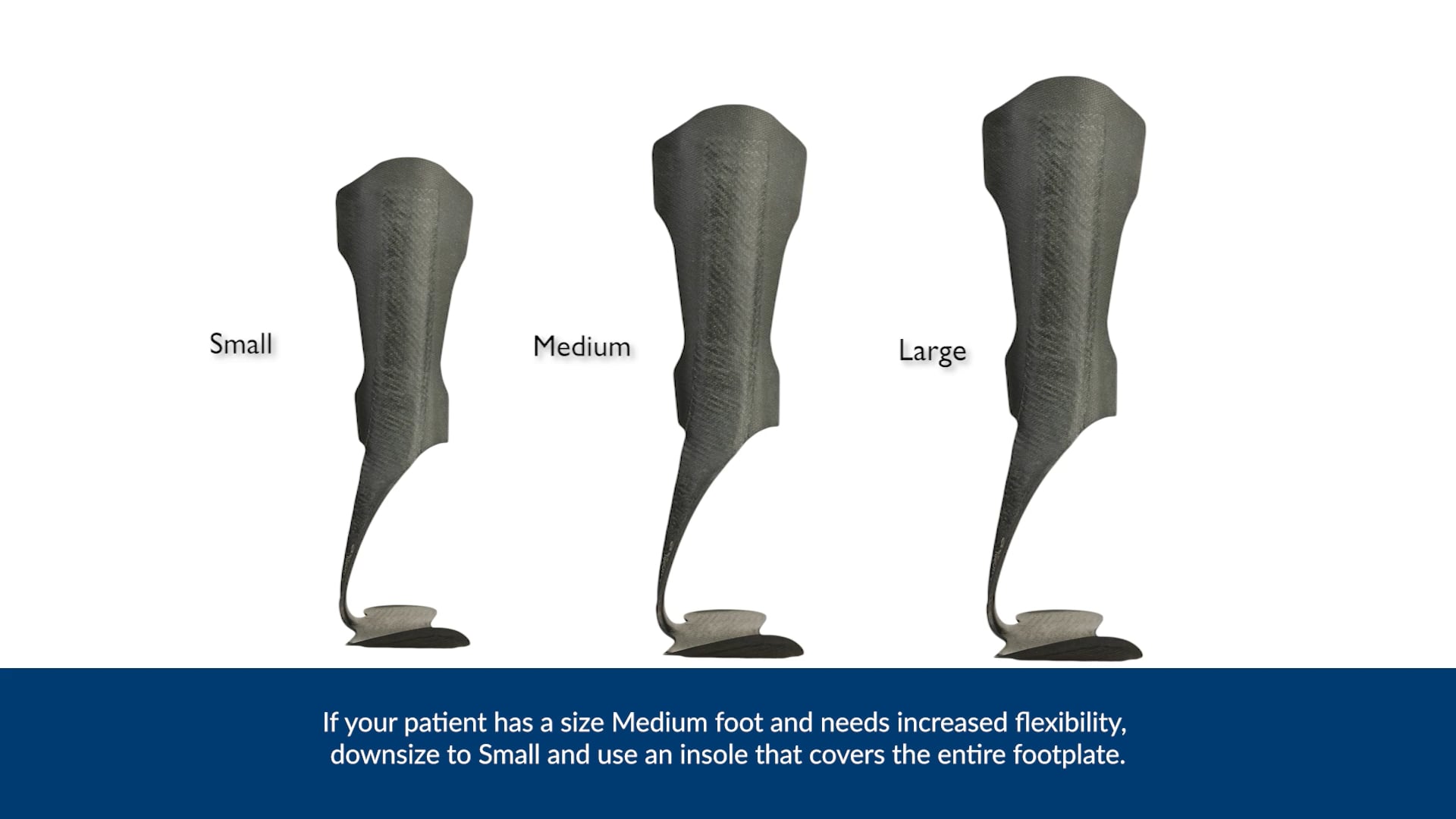
BlueROCKER® Short is specifically developed for individuals with a shorter tibia and a wider foot at the metatarsal area, where standard models may not provide an optimal fit. Tibia padding should always be used for patient comfort. The orthosis has a heel height of 7 mm in all sizes, allowing it to accommodate shoes with a lower heel height.
Recommended Range Of Application
For individuals with foot drop due to conditions such as stroke, multiple sclerosis, post-polio syndrome, muscular dystrophy, spinal cord injuries, traumatic brain injuries, Guillain-Barré syndrome, Charcot-Marie-Tooth disease, myelomeningocele, neuropathy and cerebral palsy.
Contraindications
Foot and/or leg ulcers, moderate to severe edema, moderate to severe foot deformities, and severe proximal deficits (e.g. severe quadriceps spasticity, genu recurvatum, genu valgum or genu varum).
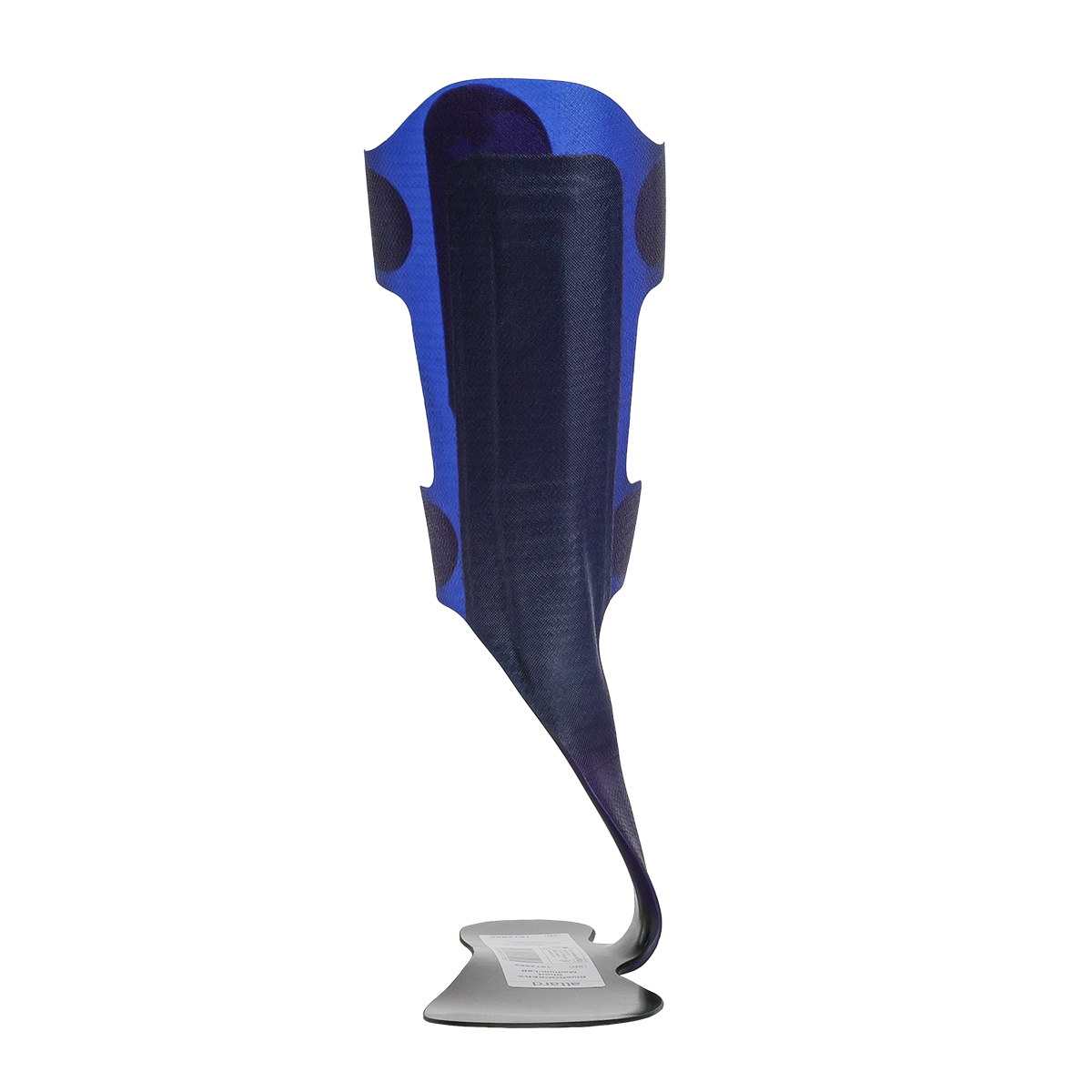
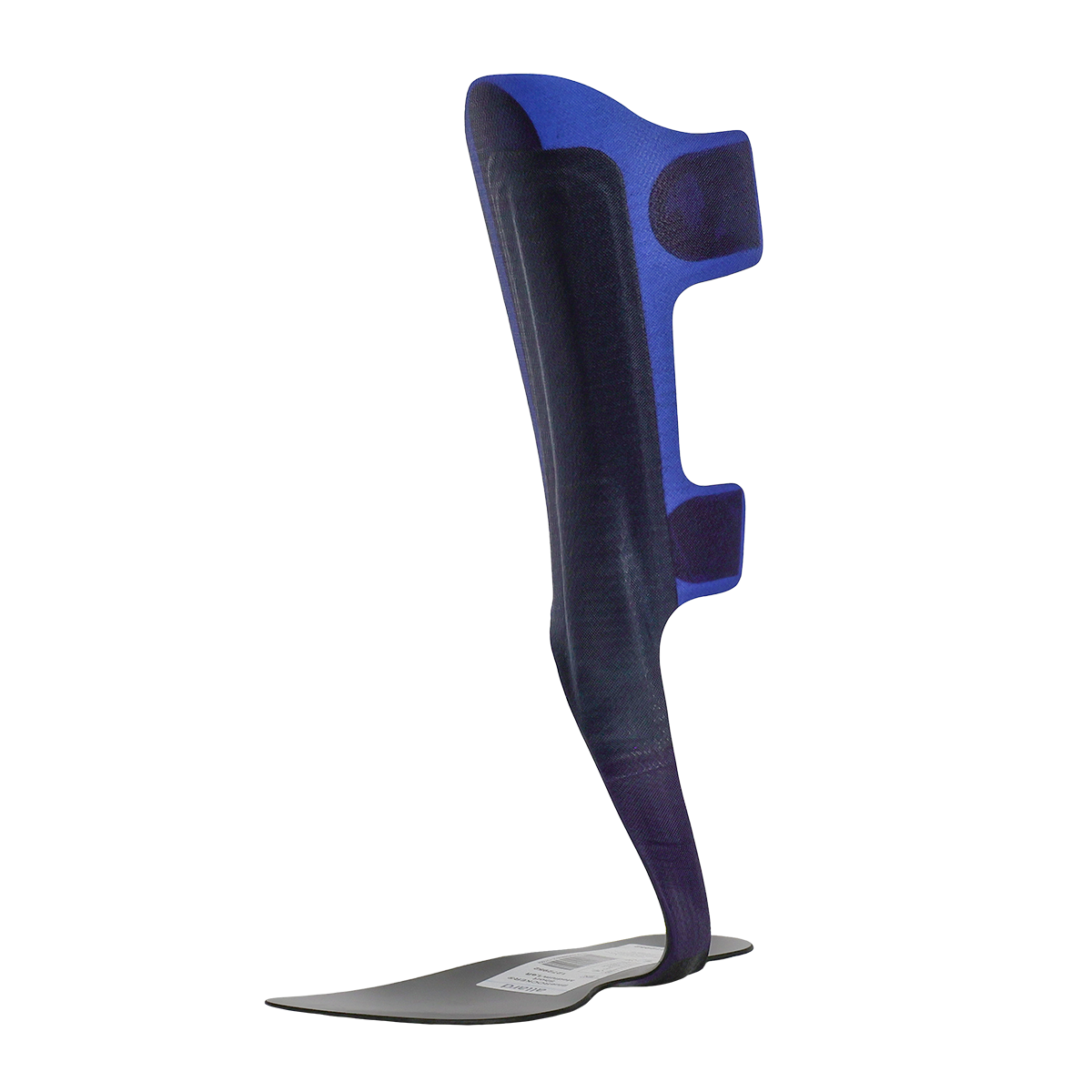
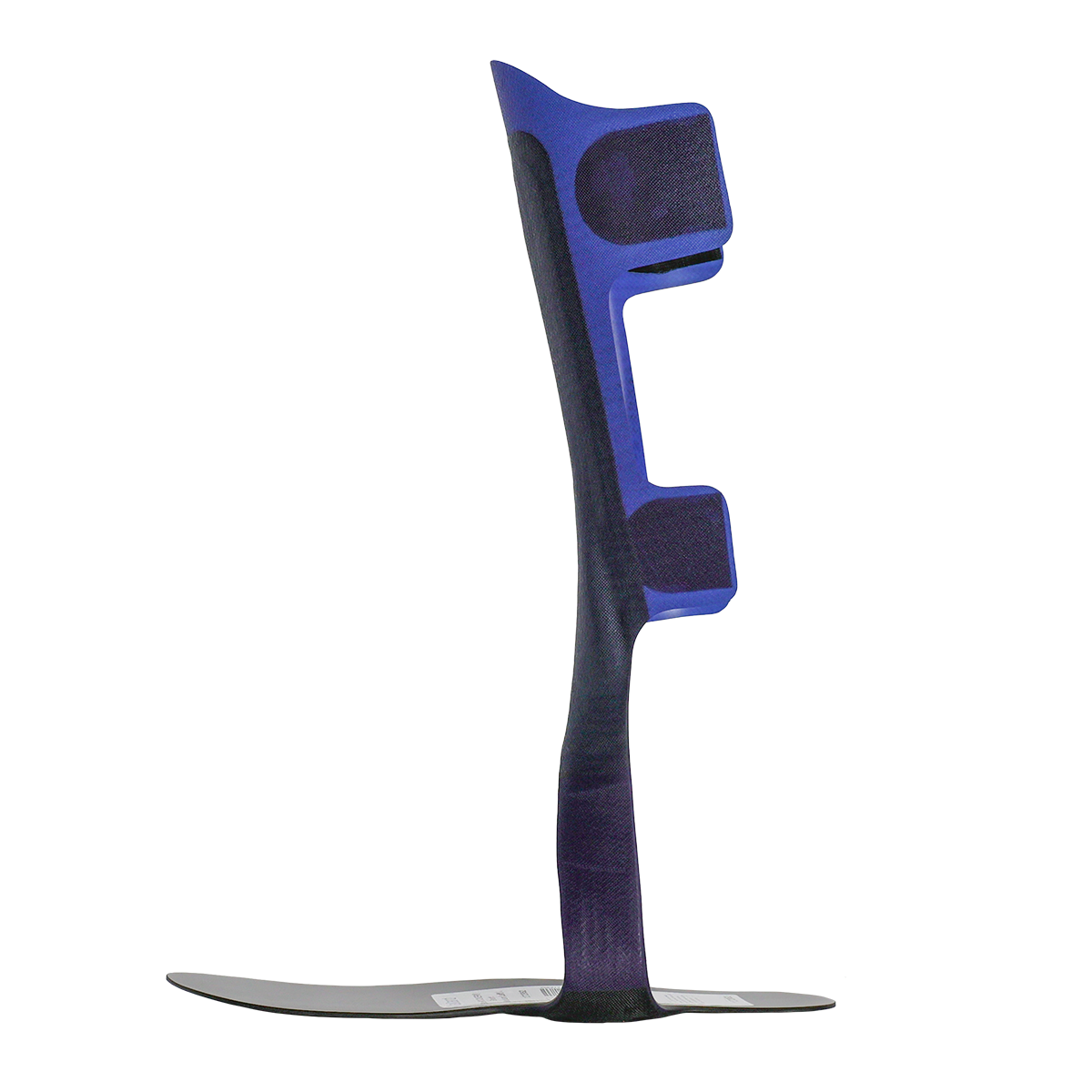

| Item No. | Model | Size | L/R | Footplate Length | Height |
|---|---|---|---|---|---|
| 289951011 | BlueROCKER® Short | Small | Left | 21,5 cm | 29,5 cm |
| 289951012 | BlueROCKER® Short | Medium | Left | 23,5 cm | 32 cm |
| 289951013 | BlueROCKER® Short | Large | Left | 25,5 cm | 34 cm |
| 289952011 | BlueROCKER® Short | Small | Right | 21,5 cm | 29,5 cm |
| 289952012 | BlueROCKER® Short | Medium | Right | 23,5 cm | 32 cm |
| 289952013 | BlueROCKER® Short | Large | Right | 25,5 cm | 34 cm |
-
 User Instruction Allard AFO (1.23 MB)
-
Professional Instruction AllardAFO (1.87 MB)
-
Brochure BlueROCKER Short (256.5 KB)
-
AllardAFO - a sustainable choice (2.04 MB)
-
Brochure AllardAFO (1.36 MB)
-
Return form AllardAFO (86.16 KB)
-
Medical Reference Paper (1.89 MB)




Author: Danielsson A, Stibrant Sunnerhagen K.
Source: J Rehabil Med 2004; 36: 165–168
Author: ANI MNATSAKANIAN BS et al.
Source: Muscle Nerve 000:000–000, 2016
Author: Altschuck N. et al
Author: Roberts Joffe, Fredrik Forsberg, Henrik Lycksam, Anders Sjögren
Source: ICTMS 2017 - 3rd International Conference on Tomography of Materials and Structures, 26-30 June 2017, Lund, Sweden
Author: Shuman BR, Espesito ER
Source: Journal of Biomechanical Engineering. JANUARY 2022, Vol. 144 / 011004-1
Author: Shuman et al.
Source: Journal of NeuroEngineering and Rehabilitation (2023) 20:11
Author: Megan M. Grunst, Robert C. Wiederien and Jason M.
Source: A systematic review Prosthetics and Orthotics International 2023
Author: Burke K1,2, Cornell K1,3, Swartz Ellrodt A1,2, Grant N1,2, Paganoni S2,4,5 and Sadjadi R1,2*
Source: CMT study.2021
Preliminary research suggests the use of a kinetic return ankle foot orthosis is associated with small but significant shortterm increases in calf circumference, which in turn suggests this type of device might reduce or protect against the risk of disuse muscle atrophy.
Author: Robert H. Meier, CO, BOCO; David C. Ruthsatz, CO, CPA; and Daniel, Cipriani, PT, PhD.
Source: Lermagazine 2014


